
Canada Is Still Being Pulled Into the Future
The World Wants Canada Faster

Reuters reported on April 15, 2026 that European buyers, including Germany’s Uniper, have been in talks to buy LNG from the proposed Ksi Lisims terminal on Canada’s Pacific coast and send it to Europe through the Panama Canal.
Pause on that for a second.
Europe is not talking to Canada about an export terminal already dispatching cargo. It is talking about a project that only received approval in September 2025 and is still years away from first shipment. That alone tells you something important about the demand environment now taking shape in the world. Reliable suppliers are scarce enough, and strategic anxiety is high enough, that buyers are already reaching for Canadian supply long before it is ready. They are willing to think in longer timelines, absorb awkward routes, and pull Canada into the picture anyway.
Ksi Lisims is a planned LNG export terminal on British Columbia’s northwest coast. It is designed for 12 million tonnes per year, which would make it one of Canada’s largest LNG export projects if and when it gets built.
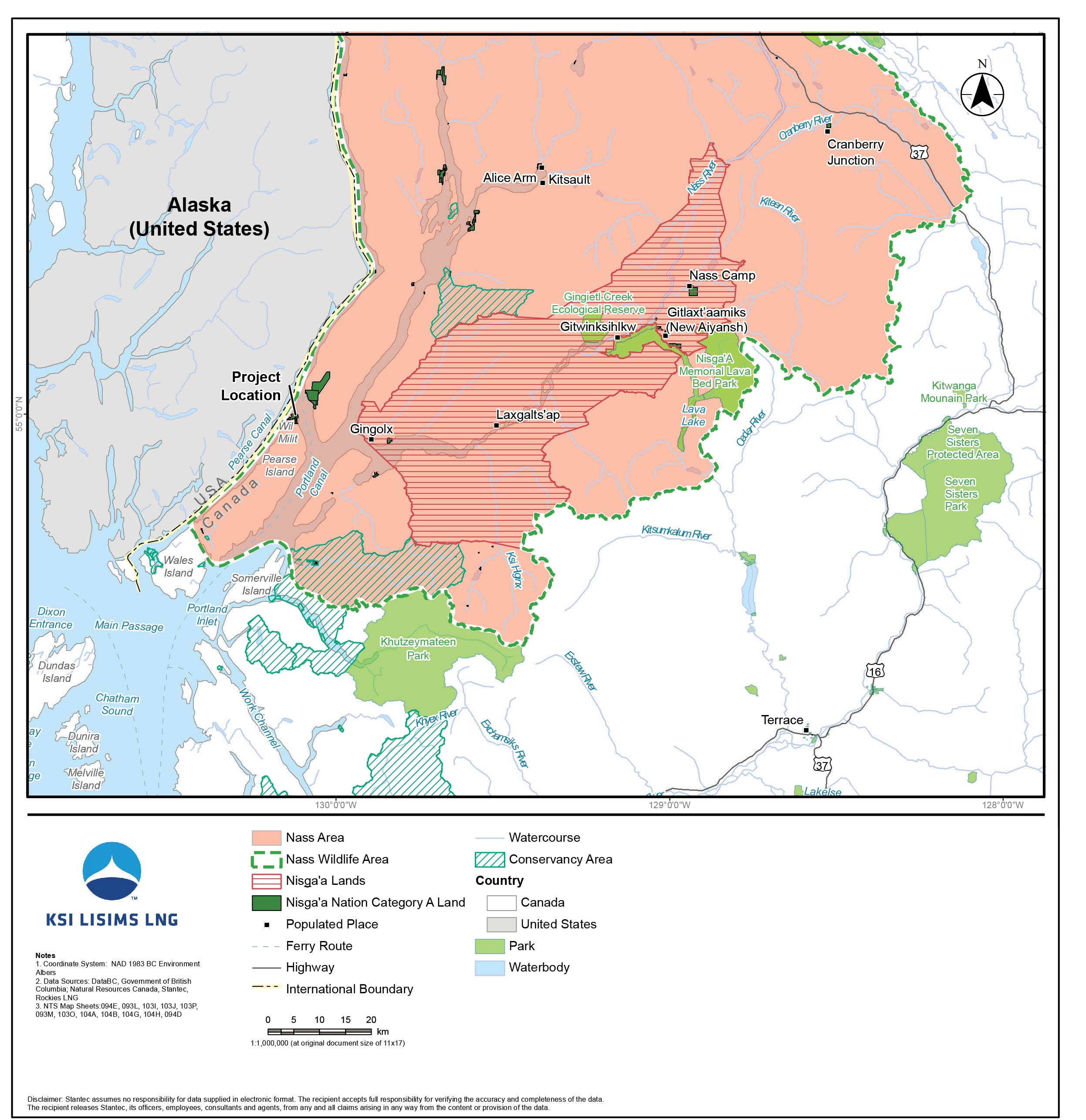
The public project material says construction could begin in 2026 and operations could start in 2029, though that still depends on final investment decisions and execution.
That last part, the investment decision, is likely one reason Germany has entered the picture. In one sense, that is encouraging. Europe appears to be thinking: if Canadian LNG can help close a future supply gap, then it is worth helping pull the project forward. Buyers are willing to contemplate taking gas from Canada’s Pacific coast, moving it through the Panama Canal, and bringing it all the way to Europe.
But there is a darker read as well.
If Europe is prepared to think that far out, and tolerate that much geographic awkwardness, it also exposes how underbuilt Canada still is where it would count most. This is not just a story about demand. It is a story about infrastructure Canada still does not have. For decades, Canadian companies have proposed LNG export projects on the East Coast. They largely went nowhere.
And reports like this are frankly disheartening to read, given both the opportunity in front of Canada and the constraints the country still has not solved:
LNG export projects in eastern Canada have been challenged by environmental opposition and the logistics of transporting feed gas to the East Coast after the suspension of offshore production in 2018.
Last year, Pieridae Energy Ltd. decided to sell its facilities in Nova Scotia and transfer licensing to an Irish firm after proposing the Goldboro LNG project for more than a decade. — Natural Gas Intel, August 2025
The immediate driver behind Europe’s interest is likely long-term supply diversification under wartime stress. Germany buys large volumes of LNG from Qatar and has no interest in reopening the Russian door. That leaves it searching for other reliable suppliers, even if the alternatives are slower, costlier, or less direct.
That is what makes Canada more attractive than geography alone would suggest. Canada’s Pacific LNG projects are naturally better positioned for Asia, not Europe. But commercial logic is now being bent by geopolitical logic. Europe wants stable supply from a country it can trust, and is willing to absorb the extra shipping cost.
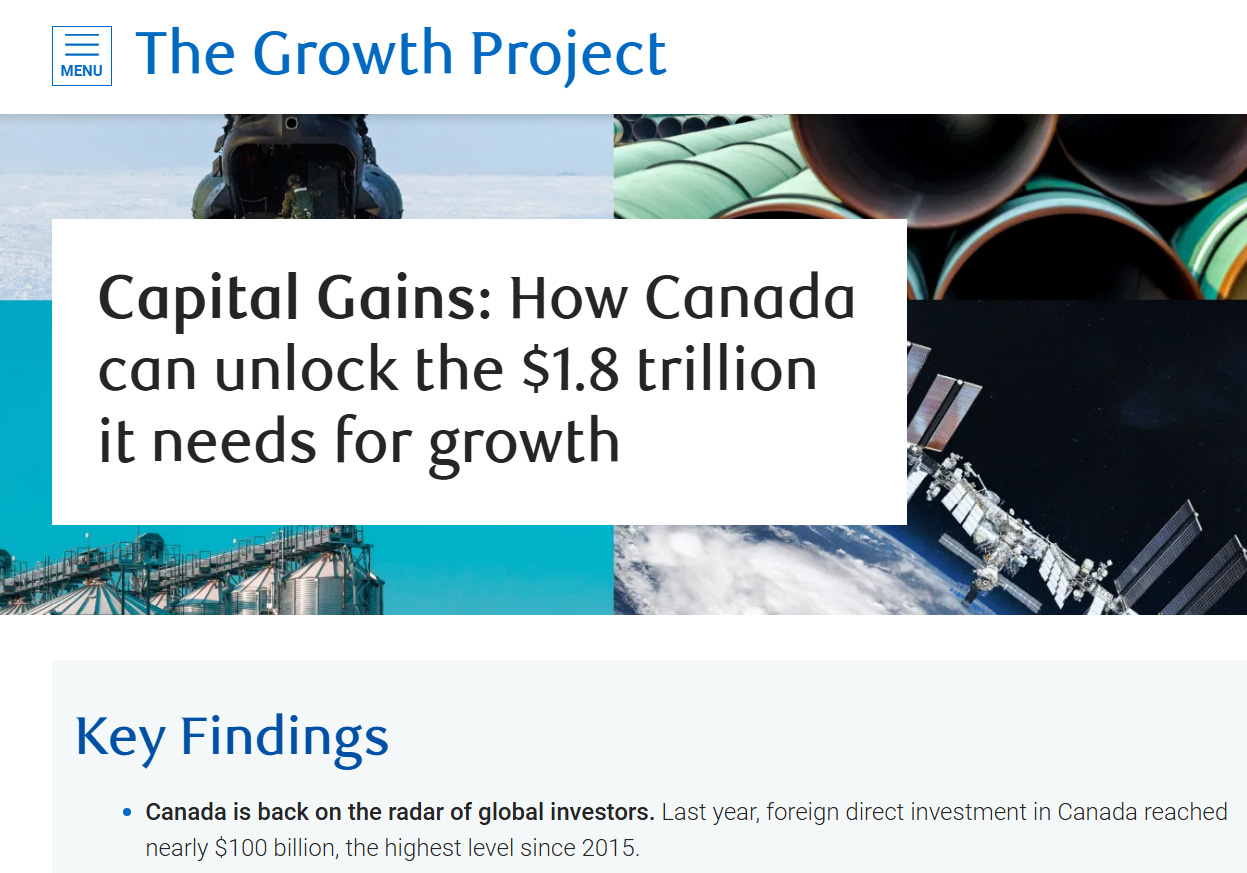
RBC put a broader frame around this problem this week. In a report on Canada’s growth challenge, the bank argued that the country needs to unlock roughly $1.8 trillion in investment over the next decade if it wants to seize the opportunities opening up across strategic sectors.
Oil and gas account for a large share of that total. The issue is not that Canada lacks capital. The issue is that Canada keeps failing the conversion test. It attracts interest, strategic demand, and investor attention, then too often stalls somewhere between proposal, approval, and execution.
That is what makes the Ksi Lisims story so telling. Europe is not looking at Canada because the route is elegant. It is looking at Canada because the world is under stress, reliable suppliers are scarce, and buyers are willing to work around geography when the political risk profile is better. The signal is hard to miss. Demand is reaching for Canada. The question is whether Canada is ready to meet it.
RBC’s larger point is that this will be a decade of capital reallocation driven by geopolitics, industrial policy, and supply-chain security. That should be read as a warning as much as an opportunity. Countries that can permit, build, and move fast enough will pull that capital in. Countries that cannot will keep watching interest pass by in the form of meetings, headlines, and missed projects. Canada has already lived through too much of that script.
That is why reports like this one land with a sting. Europe is effectively saying it is willing to go the long way around if that is what it takes to bring Canadian supply into the mix.
Canada is moving now. That part is true. But the world changed faster than Ottawa did, and the scale of global stress is now demanding something harder from the country: move faster, build bigger, and act with more force than before.
Your support for Concis Canada is critical in moments like this. It allows us to dig deeper, investigate harder, and keep Canadians informed about the decisions shaping their future. It will help us reach more people across the country and show the world the role Canada plays within the democratic alliance.
Good piece as usual. I wish, for my kids' sake, we didn't have to keep drilling and pumping fossil fuels, but as my esteemed PM has said, we take the world as it is, not how we wish it to be. Canada isn't a big enough player to just leave the oil and gas in the ground. We'll get passed by and then wonder why some provinces want to leave.
I think it only makes sense that we really start thinking hard about developing a pipeline to the East Coast, because if the Gulf states stay unreliable due to Iran or some other instability in that region, the entire European continent becomes a potential customer, and that is too much to pass up.
On another note, Shankar, you've argued recently that Canada is better off outside of the EU, as a mediator state in between alliances. But Finland's got a pretty smart PM themselves, who has advocated for Canada to join the EU. What would you say about Stubb's opinion?
Related thought: We are valued and in demand because we are a reliable, safe, and ethical supplier. We are those things because we follow our own due process (and because we have unsettled internal issues that can't be rushed). We can't always respond quickly to the shifting demands of the market for the same reasons.
We can always seek to improve, but to truly become an opportunist means diminishing the our values as a reliable, safe, and ethical supplier of choice.
It's complex.